On Thursday, I joined Sean Astin on his podcast Vox Populi to discuss the Joe Biden-Paul Ryan debate in Danville, Kentucky. Download the show here (conversation starts at the 40 minute mark) and don’t forget to subscribe to Sean’s podcast on iTunes!


Acclaimed Author, Former Judge, Award-Winning Journalist
and Television Broadcaster
On Thursday, I joined Sean Astin on his podcast Vox Populi to discuss the Joe Biden-Paul Ryan debate in Danville, Kentucky. Download the show here (conversation starts at the 40 minute mark) and don’t forget to subscribe to Sean’s podcast on iTunes!
The Constitution details at great length that the expansion of voting rights is essential to the nature of our democracy. It’s simply extraordinary that over the past couple of years the Republican Party has attempted to decimate voting rights in the U.S.
On MSNBC’s PoliticsNation, I joined Reverend Al Sharpton and Rep. Marcy Kaptur, D-Ohio, to discuss Ohio Secretary of State John Husted’s efforts to appeal a federal court decision which upheld early voting in the crucial swing state. Watch the video of last night’s show and comment below with your thoughts on Ohio’s early voting controversy.

From PoliticsNation
Our nation is still experiencing the after-effects of major economic crisis, and yet public money continues to supplement the building of private corporate infrastructure. Time and time again, our legislators and government officials have proven that they’re willing to put the interests of the public aside in order to appease big business by lowering tax rates, offering more tax breaks, and increasing corporate subsidies.
These government subsidies do not encourage economic growth as much as productive taxpayers do, and as a result, everything from Social Security to unemployment and welfare rolls is affected. As you’ll see in the following article, when it comes to competitive business privileges—tax breaks, subsidies, overt political power—individuals and small businesses might as well fugetaboutit.

From The Huffington Post
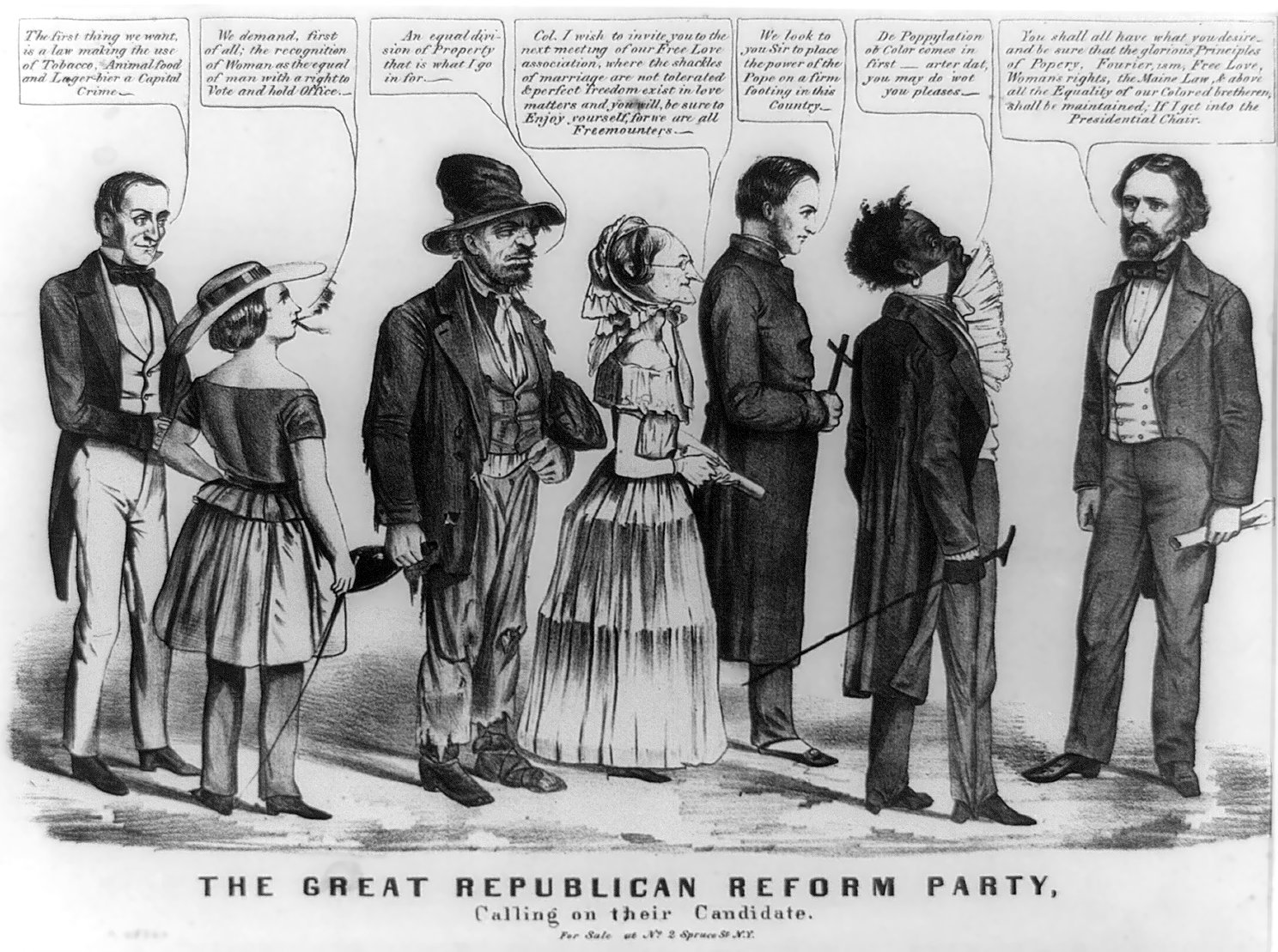
The Republican Party I knew growing up was brimming with “progressive” visionaries who valued national investment in science technology and infrastructure—building, innovating, and investing, publicly and privately, in America’s future. Now, modern “conservatives” are quick to put the brakes on progress without offering a different course.
If they wish to revitalize the Republican Party, conservatives must be willing to strike a balance between free-market ideologies and traditional conservative principles. Balancing these interests does not mean confiscating and redistributing wealth or subsidizing people’s lives, but inequalities must be addressed. Your thoughts?
From The New York Times
In a 2008 national survey conducted at Cornell, 96 percent of Americans reported needing the assistance of federal social welfare programs at some point in their life. However, many government officials, especially Republican leaders, regularly insist upon deep cuts to services for most citizens while simultaneously defending tax breaks, subsidies, and overt political power for transnational corporations.
In its preamble, the Founders stated explicitly that our Constitution was established to promote the general welfare. Americans recognize the difference between ideological rhetoric and realistic solutions, and what they’re seeking is honest leadership that puts the welfare of citizens and our system of government above all else. Would you agree?

From The New York Times
Ayn Rand, the self-proclaimed radical and author of Atlas Shrugged was the ultimate purist, advocating uncontrolled, unregulated capitalism. She perverted Adam Smith’s “invisible hand” into her “virtue of selfishness” and defended an ugly dog-eat-dog economic Darwinism: The masses were servile and insignificant, government was invasive and usually malevolent.
Absolute objectivism, along with the rest of Rand’s arguments, may sway teens—a time when renegade individualism stirs the blood—but time and experience validates the social/political principles envisioned by Thomas Jefferson, James Madison, and Adam Smith.

From Buzzfeed Politics
In response to unregulated financial malfeasance and the Crash of ’29, The Banking Reform Act of 1933 imposed rules to ensure banks were banks, not investment houses or gambling casinos. When the legislation was introduced, the American Bankers Association protested, saying the bill was “unsound, unscientific, unjust, and dangerous.”
Our current crisis is due in no small part to the weakening of these provisions in the 1980s and the repeal of Glass-Steagall in 1999. When you hear banks and their political cronies screaming about regulations today, just remember, we’ve heard it all before. They were wrong in ’33 and they’re wrong now.

From Bloomberg
Cut taxes on the rich, so the argument goes, and this money will be reinvested at home. For those of you who have read Patriot Acts, we’ve been over this numerous times, but let me restate an empirical fact: Tax cuts for the wealthy do not increase overall revenues or spur domestic business investment and job growth.
A new longitudinal study compiles data from the last 65-years to find why tax cuts in and of themselves have never led to economic growth. In the past, the rich may have reinvested about a third of their tax savings in the US, but now, most of it goes into savings, personal spending, or overseas investments.

From The Huffington Post
The revolving door between Capital Hill, the lobbying sector, and corporate jobs is out of control. Unaccountable corporate lobbyists write laws, draft budgets, and create policies that protect personal and business interests.
As Bill Clinton might say, ‘It takes brass ones’. While claiming tax-exemption as a 501(c)3 charity, the corporate lobbying group ALEC is sponsoring overtly political events with the Republican Study Committee. Where’s the outrage? Where’s the IRS?

From Salon
After years of corporate abuse, there can be no alternative to a government payer health care system without private sector reforms. According to an Institute of Medicine report, wasteful spending and inefficient uses of technology accounted for $750 billion in unnecessary health expenditures last year.
This system is bankrupting our nation morally, financially, and physically. As discussed in Patriot Acts, until we address core issues—why our costs are so high, why our outcomes are so poor, and why, as a nation, we’re in such bad shape—there can be no meaningful reform.

From The Washington Post
"Ideology is the science of idiots."
- President John Adams


© 2011 Catherine Crier


